

Your cart is currently empty!
Our Mission
At Organic Farms, our mission is simple: to provide wholesome, organic products that promote healthier living while supporting the environment. We believe that true wellness starts with what we consume, and our products are crafted to meet the highest standards of purity and taste. By embracing organic farming practices, we deliver food that nourishes your well-being and protects the planet’s future.

Our Vision
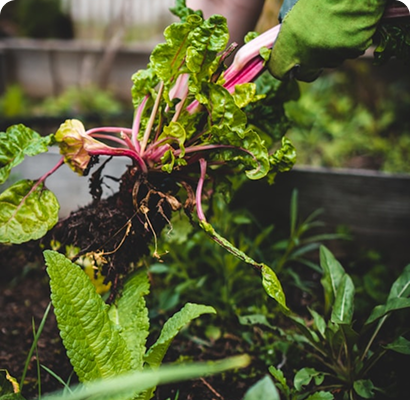

Quality Products
Deliver Quality Products Through Sustainable Practices
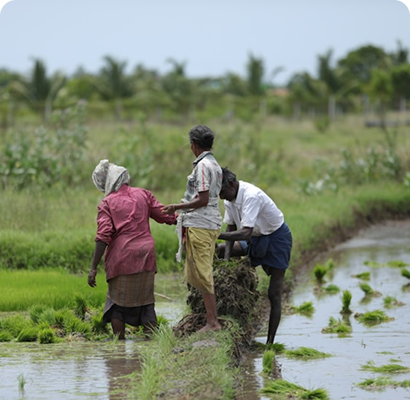

Farmers First
Empower Talented Farmers and Collaborators


Sustainable Farming Practices
Empower Talented Farmers and Collaborators


Client-centric Mindset
Adopt a Client-Centric Mindset for Long-Term Relationships
In Harmony with Our Farmers
At Organic Farms, we believe in the power of farmers. Our Farmer Empowerment Initiative is the cornerstone of our business. We partner with local farmers who practice ethical and sustainable farming methods, ensuring that they receive fair wages and support to grow their crops without the use of harmful chemicals.

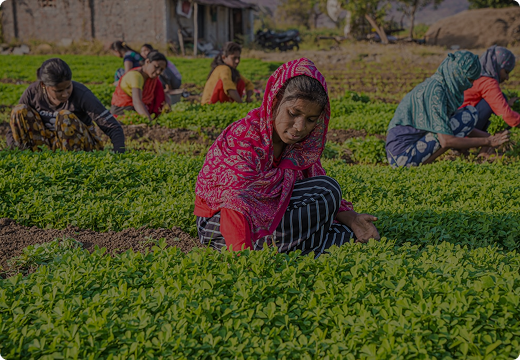
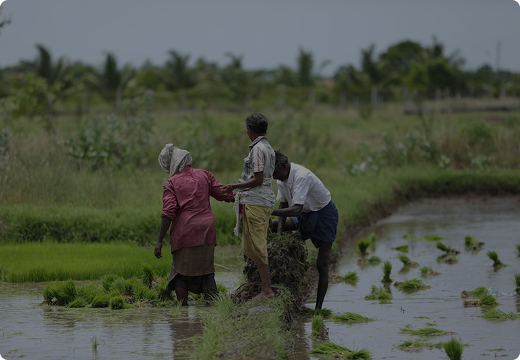
Farmer Empowerment Initiative
At Organic Farms, we believe in the power of farmers. Our Farmer Empowerment Initiative is the cornerstone of our business. We partner with local farmers who practice ethical and sustainable farming methods, ensuring that they receive fair wages and support to grow their crops without the use of harmful chemicals.

Over 100 local farmers empowered through fair partnerships

30% increase in farmer income due to fair trade practices

500+ hectares of land transitioned to sustainable farming
Ethical Farming and Sustainable Practices

Crop rotation and biodiversity
Crop rotation helps maintain soil fertility and reduces the risk of pests and diseases. Incorporating diverse crops fosters a balanced ecosystem and promotes sustainable farming.

Energy efficiency
Using renewable energy sources like solar panels and wind turbines can power farms sustainably. Energy-efficient machinery reduces fuel consumption and the carbon footprint of farming operations.

Water conservation
Efficient irrigation systems like drip irrigation minimize water wastage and ensure crops get the necessary hydration. Rainwater harvesting can supplement irrigation needs while conserving freshwater resources.

Zero waste farming
Composting organic waste transforms farm residues into nutrient-rich fertilizers. Practices like upcycling and recycling reduce waste and create a circular farming system.